




Pillio
Pill Reminder & Tracker
Version 1.6.0, updated August 10, 2026
App maintenance
Develak maintains iOS apps after launch: updates for every new iOS and Xcode release, bug fixes, crash monitoring, dependency upgrades, App Store compliance and new features. We maintain our own catalogue of 34 apps the same way, and we also take over apps built by other teams.
The service
An iOS app is never finished. Apple ships a major iOS version every year, new devices and screen sizes appear, Xcode and the App Store raise their requirements, and APIs get deprecated. An app nobody maintains slowly breaks, slips in search results and collects poor reviews.
Maintenance keeps the app healthy: compatibility with each new iOS, crash and bug fixing, dependency updates, privacy and App Store policy changes, and the small improvements users ask for. It is also where much of an app’s growth happens, through regular, well-prepared releases.
We maintain our own apps continuously, so the yearly iOS cycle is routine for us. Our App Store submission checklist sums up what Apple checks on every update.
Guides to go further
What’s included
Preventive work, quick fixes and steady improvements — in a single plan.
We test your app on each iOS beta, fix what changes and adopt new features when they help your users.
Crash reports and App Store reviews monitored, issues reproduced and fixes shipped.
Swift packages and third-party SDKs kept current — or removed when an Apple framework does the job better.
Privacy manifests, required-reason APIs, new review guidelines and SDK requirements handled in time.
Launch time, memory, battery and responsiveness reviewed as the app and its data grow.
Regular improvements based on user feedback, shipped in predictable, tested releases.
The yearly cycle
Apple’s calendar sets the rhythm: betas in June, a new iOS in September, point releases through the winter. Here is what we do at each step.
We build and test your app on the iOS betas all summer, so the changes it needs are known before the new iOS reaches your users.
Each spring Apple raises the SDK required for new uploads, and privacy and review rules keep moving. Your app stays eligible.
Between iOS releases, the time goes to crash reports, reviews and the features on your roadmap.
Who it’s for
Any app with users. The only question is how much maintenance, not whether.
Your developer moved on or your agency closed. We take over the code and get it back into shape.
Your app has traction; you need steady releases without hiring a full-time iOS developer.
Your customers depend on the app. It has to keep working with every new iOS release.
Deliverables
A healthy app, a clear release history and no surprises at the next iOS update.
Process
From the first audit to a steady release rhythm.
We review the code, build setup, dependencies, crash reports and reviews, and list the risks by priority.
You get: Prioritized risk list
Urgent fixes first: crashes, build warnings, outdated SDKs and anything that would block a submission.
You get: Stable build
We agree on a rhythm: preparation for each iOS release, fixes and a short list of improvements.
You get: Release rhythm
Tested builds on TestFlight, then App Store submission with clear release notes.
You get: Tested release
Crashes, reviews and App Store Connect metrics watched between releases, with a summary of what changed.
You get: Change summary
Proof
Our own catalogue is maintained continuously. The version numbers and update dates below come live from the App Store:
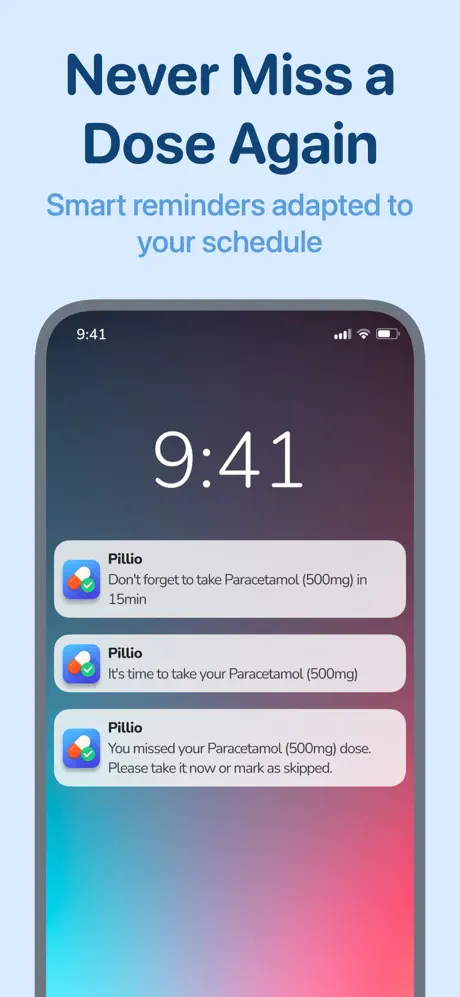
Pill Reminder & Tracker
Version 1.6.0, updated August 10, 2026

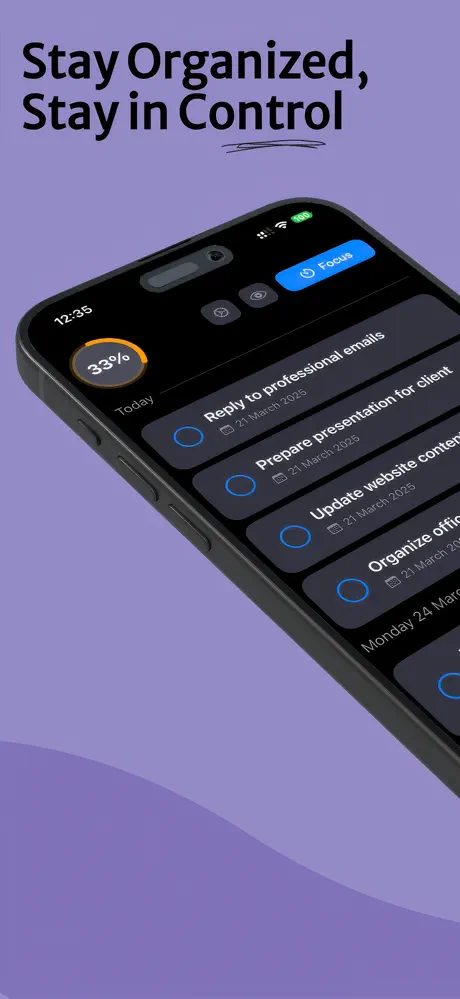
To-Do & Reminder
Version 1.9, updated June 6, 2026
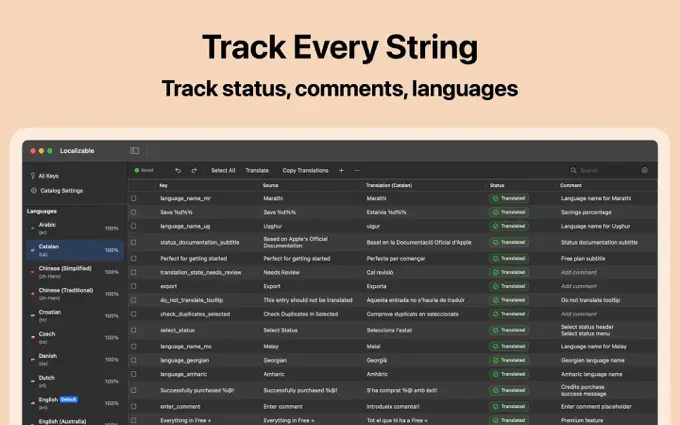
Localize xcstrings
Version 1.5.1, updated August 15, 2026
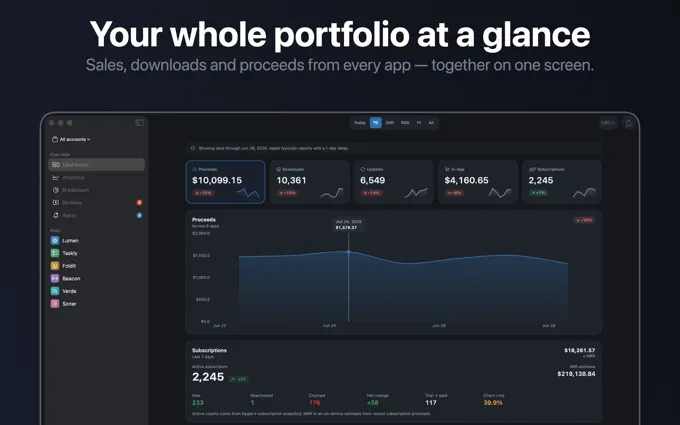
App Sales Dashboard
Version 1.3, updated August 22, 2026
FAQ
What app owners ask before handing over maintenance.
Ask your question Not covered here? Write to us — we answer every message ourselves.
contact@develak.comIt depends on the size of the app and on how often you want to release. After an initial audit, Develak sizes a recurring plan to your roadmap, so you pay for the work your app actually needs.
Yes. We start with an audit of the code, build setup, dependencies and crash reports, fix what is urgent, then continue with regular maintenance. We need access to the source code repository and to your App Store Connect account.
Most apps keep running, but some features can break, look out of place or trigger new warnings. We test your app on the iOS betas Apple releases after WWDC each June, fix issues before the public release — usually in September — and adopt new features when they add value.
Because the platform moves. Apple periodically requires apps to be built with recent SDKs and introduces new privacy rules, and older dependencies stop compiling. Regular updates also show users that the app is alive, and let you answer their feedback.
Critical issues — a crash at launch, broken purchases, a rejected update — always come first. The expected response is agreed when we set up your plan, because it depends on your app and your users rather than on a one-size-fits-all promise.
Yes, small ones. Maintenance plans usually mix preventive work with small improvements; larger features are scoped separately so they never crowd out essential updates.
Yes. Develak publishes and maintains its own Mac apps, Xlocalize and Appviary, alongside its iPhone and iPad apps.
Tell us about your app and how it is maintained today. We’ll suggest a plan that fits.